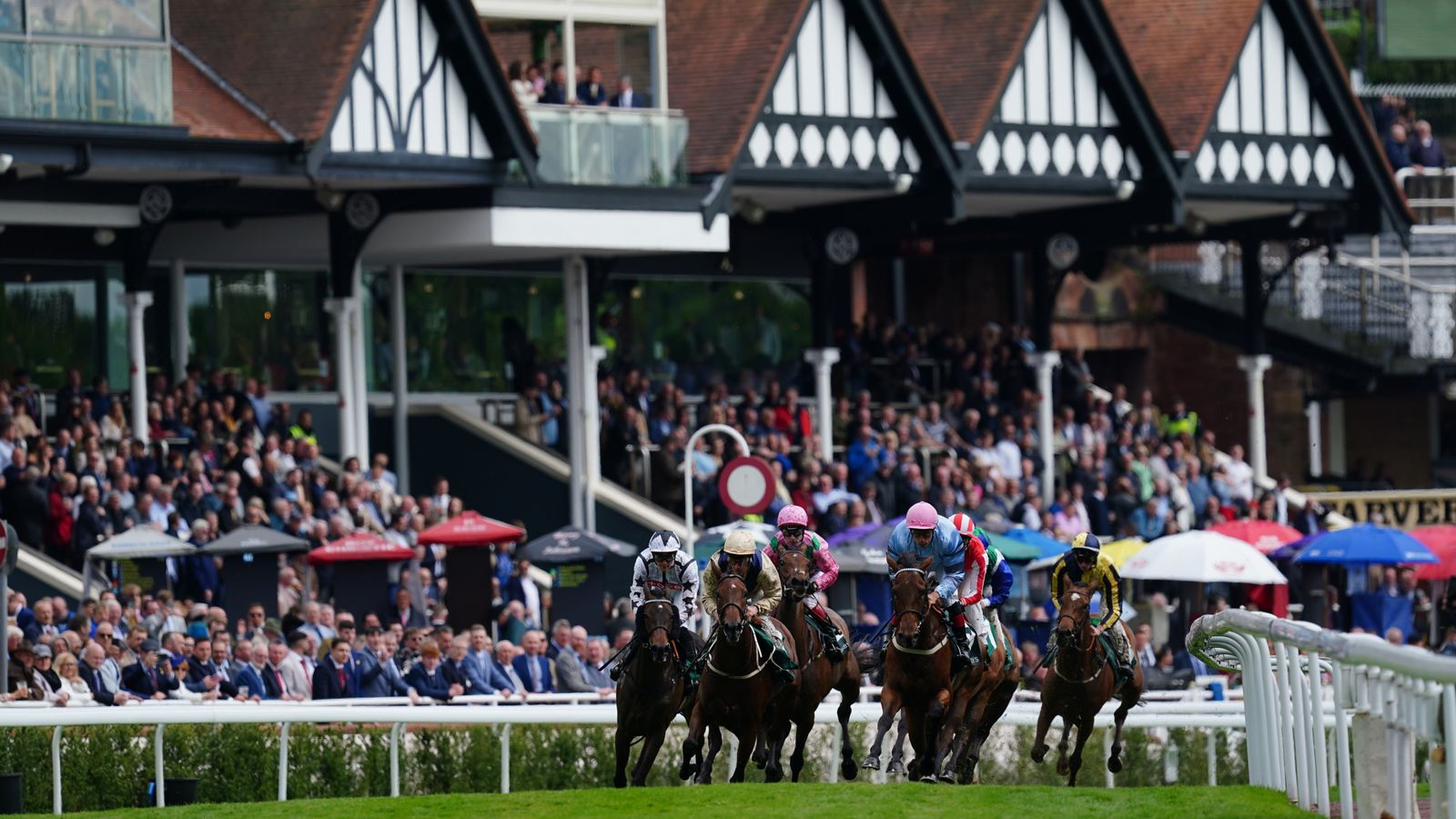
Understanding the State of UK Horse Racing: What Happens When It’s Not On
Horse racing in the UK has a long and storied history, captivating fans and participants alike. But what happens when the races are temporarily suspended or cancelled? This article delves into the ramifications of UK horse racing not being on, exploring the economic impacts, potential alternatives for entertainment, and what the future might hold for the sport. If you’re interested in the intricate balance between sport and community, you can learn more about some supportive initiatives at UK horse racing not on GamStop merseysidepolicemounted.uk.
The Economic Impact of Suspended Races
The UK horse racing industry is a significant contributor to the economy, generating billions of pounds annually. When races are not on, it can lead to severe economic repercussions. Bookmakers, trainers, jockeys, and stable hands often rely on these events for their livelihoods. The cancellation of races affects betting activities, with fewer opportunities for punters to place their bets. This impacts not just the immediate industry but also ancillary businesses such as hospitality, tourism, and merchandising.
Moreover, major racing events like the Grand National or Royal Ascot typically draw thousands of visitors from across the globe. These tourists contribute to local economies through their spending on hotels, restaurants, and attractions. When races are cancelled, local businesses can face significant financial distress, leading to job losses and reduced community funding.
Alternative Events and Attractions
When horse racing is not on, fans and casual observers may look for alternative forms of entertainment. Many racing tracks pivot to other events, such as concerts and festivals. This diversification can help mitigate some of the economic impacts discussed earlier. For instance, a racecourse may host family-oriented activities or local food fairs to attract visitors, encouraging community engagement and providing ongoing financial support to local businesses.
Aside from events at racecourses, the equestrian community can offer a variety of alternatives such as show jumping, dressage competitions, and horse exhibitions. These activities not only keep the equine culture alive but also provide platforms for amateur and semi-professional riders to showcase their skills.
What Happens to Horses and Jockeys?
The well-being of horses and jockeys is paramount. When races are not on, special considerations need to be taken into account regarding the care and training of horses. Trainers often adapt their schedules, focusing on conditioning exercises or lighter, alternative training modalities. Additionally, welfare organizations step in to ensure that horses receive proper care and attention, maintaining their health until racing resumes.
Jockeys, too, face uncertainty during race cancellations. Some may seek out work in other horse-related fields such as teaching, stable management, or media roles within the equestrian world. Those who can adapt quickly often find ways to stay connected to the sport, engaging with fans through social media or online platforms.
The Future of Horse Racing
The future of UK horse racing is a topic of ongoing discussion. Industry stakeholders are continually pondering how to adapt to changing environments, which may involve implementing advanced technology or introducing new race formats. The current state of affairs highlights the need for innovation within the industry to keep audiences engaged when traditional events are not taking place.
Additionally, emphasis on horse welfare and community engagement has never been more crucial. Racing authorities are increasingly aware of their responsibilities to provide for the horses, jockeys, and communities surrounding the sport. Ensuring that racing can return in a sustainable manner that prioritizes these elements will play a significant role in shaping the future of the industry.
Conclusion: Resilience and Adaptation in the Face of Change
In conclusion, while the UK horse racing scene faces challenges when events are not running, it also possesses a remarkable resilience. The industry’s ability to adapt with alternative events, protect the welfare of horses and jockeys, and its vital role in local economies showcases its enduring relevance. As we move forward, it will be essential to balance tradition with innovation, securing a bright future for horse racing in the UK.